

SYNSYS: A Clinical Study Confirms the Benefits of a Prosthesis Designed for Safer Walking
The mobility of people with transfemoral amputation relies on increasingly advanced prosthetic solutions that can adapt to everyday situations: walking on level ground, going up or down a slope, climbing stairs, moving around in an outdoor environment… These essential activities require safety, stability and confidence.
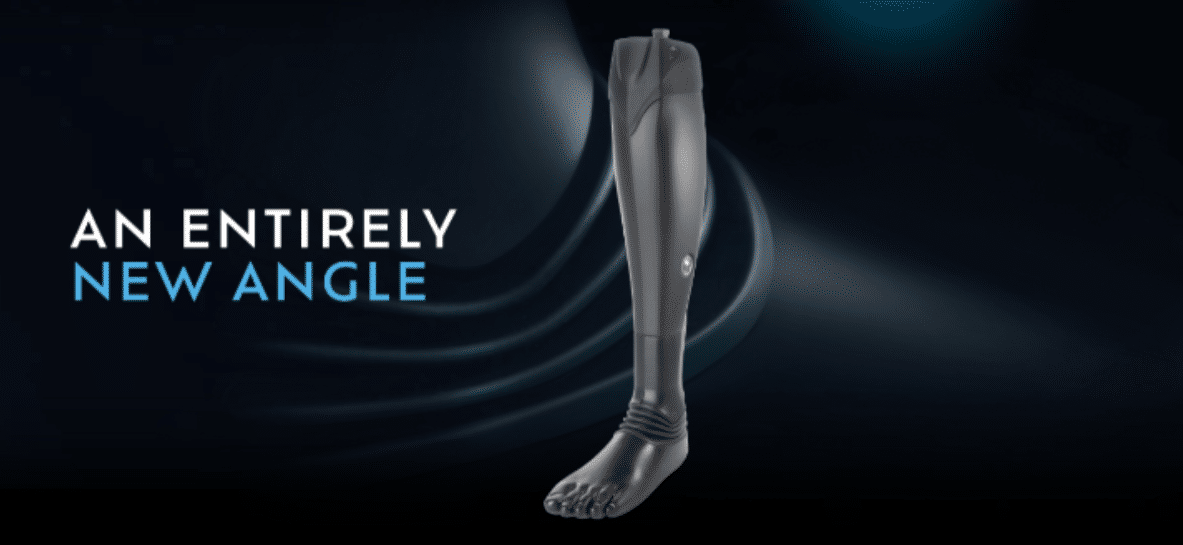
It is with this commitment to innovation that PROTEOR developed SYNSYS, a microprocessor-controlled knee-ankle-foot prosthetic system. A clinical study recently published in the scientific journal Prosthesis provides new insights into the benefits of this solution for people with transfemoral amputation.
A Technology That Coordinates the Knee and Ankle
SYNSYS stands out for its comprehensive approach to gait. Unlike a prosthesis made up of several components operating separately, the system enables intelligent coordination between the knee and the ankle.
This synchronization is designed to support the different phases of gait more naturally, while helping users better adapt to variations in terrain. The goal is clear: to provide greater safety, fluidity and confidence in everyday mobility.
A Study Conducted Among People with Transfemoral Amputation
The study was conducted with 12 participants with transfemoral amputation. Each participant was evaluated with SYNSYS and with their usual prosthetic device, in order to compare the effects of the two solutions in different walking situations.
The researchers analyzed parameters related to safety, such as stability during stance and foot clearance during gait. They also collected participants’ feedback through questionnaires assessing quality of life, mobility and satisfaction with the prosthesis.
Encouraging Results for Walking Safety
The study results highlight several benefits associated with the use of SYNSYS.
In particular, the system increases the amount of time during which the foot remains flat on the ground. This is important because it promotes more stable support and may help reduce the risk of slipping.
The study also shows an improvement in foot clearance during walking. This parameter is directly related to the risk of stumbling: better foot clearance can help users move more safely, particularly on level ground or when walking uphill.
Beyond biomechanical measurements, participants also reported an improvement in their physical quality of life, as well as a positive perception of the prosthesis across several aspects of daily use.
A Step Forward in Supporting Autonomy
For PROTEOR, this publication confirms the importance of designing prosthetic solutions that address not only technical criteria, but also the real-life needs of users: moving with greater peace of mind, gaining confidence and maintaining independence.
SYNSYS fully reflects this ambition. By combining technological innovation, clinical evaluation and a focus on the needs of people with amputation, PROTEOR continues its commitment to developing solutions that support everyday mobility.
This study also opens up new research perspectives, particularly to evaluate the long-term benefits of the system and its use among a larger number of users.
The full study is available in open access in the scientific journal Prosthesis.
Continue reading